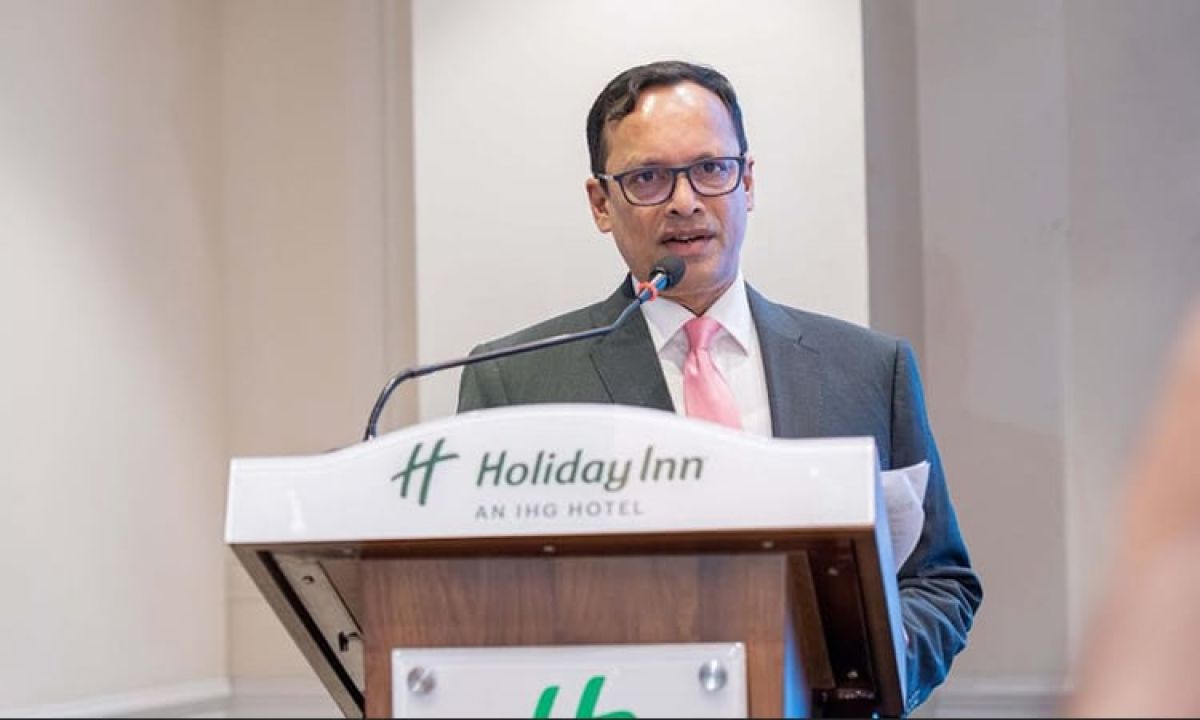
Attorney General Barrister Md. Ruhul Quddus Kajal has called on law officers to fulfill their duties with a commitment to establishing justice.
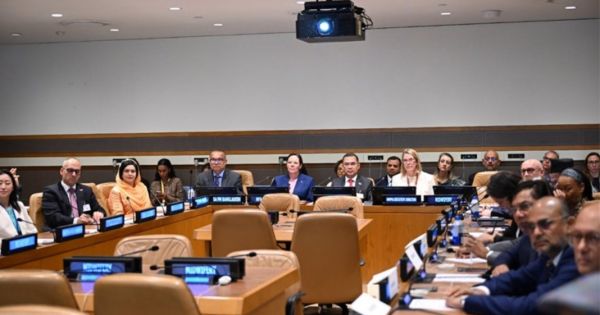
A first-ever advanced training on ethics for legal officers working in the Attorney General's Office of Bangladesh was held Friday. The training, titled 'Strengthening the Principles and Practice of Prosecutorial Ethics for the Attorney General's Office of Bangladesh', was held with the support of the United Nations and UNDP.
Attorney General Barrister Md. Ruhul Quddus Kajal also said at the event that the responsibility of the state's legal officers is not limited to handling cases or winning them. One of their main responsibilities is to provide maximum cooperation to the court to ensure justice.
The Attorney General said, "We must be committed to maintaining zero tolerance at all times for corruption, bribery, negligence of duty, concealment of documents, or any kind of unethical influence in the judicial process. Those involved in these unethical activities will have no place in the Attorney General's office."
Attorney General Barrister Md. Ruhul Quddus Kajal called on the law officers present to fulfill their duties with a commitment to establishing justice based on honesty, independence, human dignity and equality.
At the event, UNDP Bangladesh Resident Representative Steven Rodriguez, highlighting his experience working in the justice sector in various countries, said, "Justice is not just about laws, courts, procedures or sentences; it is directly related to the lives and dignity of people. Integrity is not a part-time issue. It must be reflected in every day, every decision."
Speaking at the event, UNODC Regional Representative for South Asia Christian Holge said, "The role of prosecutors in the criminal justice system is very important. They have to perform their duties with firmness and restraint at the same time. Prosecutors must maintain a high standard of integrity in their personal and professional lives. They must keep themselves updated on changes in the law and legal system."
UNDP Bangladesh Senior Rule of Law, Justice and Security Advisor Romana Schweiger, UNODC Bangladesh Office Head Shah Mohammad Nahian, and Additional Attorney General Barrister Aneek R. Haque, along with local and foreign criminal justice experts, were present at today's event.
UNDP Bangladesh is a partner in this two-day workshop organized by the South Asia Regional Office of the United Nations Office on Drugs and Crime (UNODC). 160 legal officers (Deputy and Government Attorneys General) from the Attorney General's Office participated in the workshop.
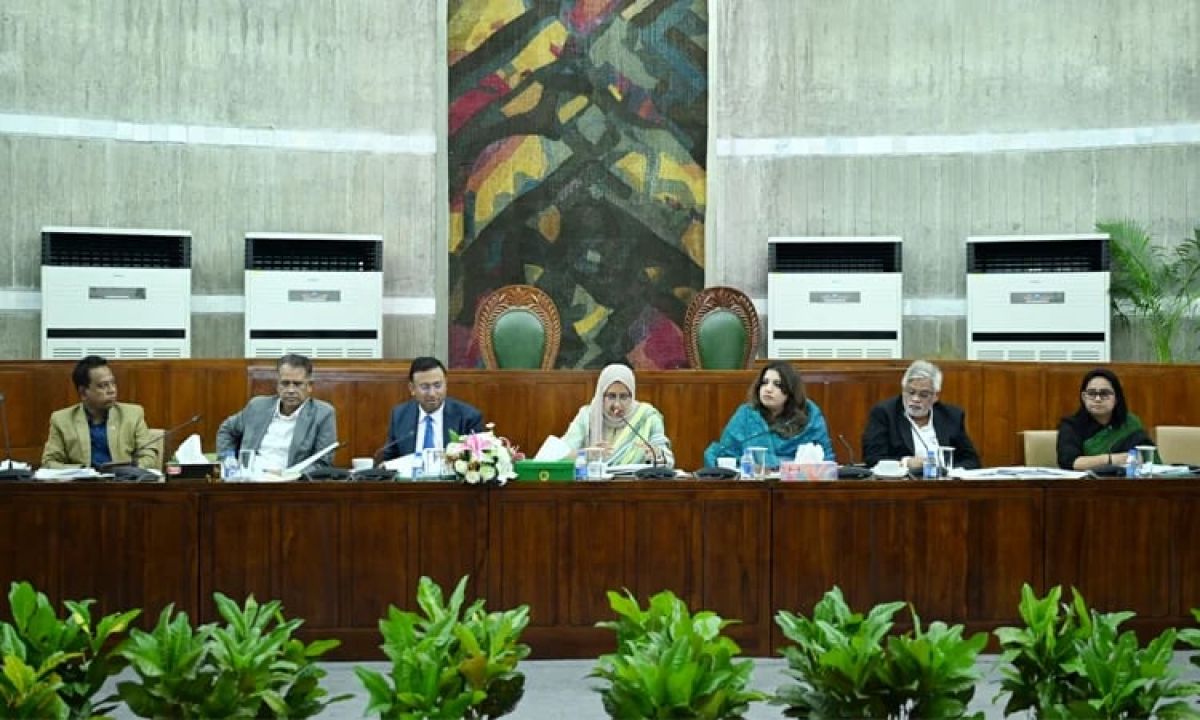
The government is continuing necessary diplomatic and legal effortsto bring ousted prime minister Sheikh Hasina back to Bangladesh, a parliamentary standingcommittee meeting was told yesterday.
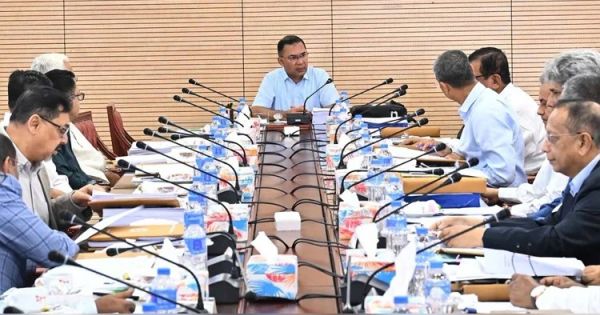
The government's position on bringing Hasina back to the country was presented at the second meeting of the Parliamentary Standing Committee on the Ministry of Foreign Affairs of the 13th Jatiya Sangsad.
The meeting was held at the Jatiya Sangsad Bhaban with committee Chairman Jaharat Adib Chowdhury in the chair, according to a parliament secretariat press release.
The government's position is consistent with its recent statements that it is pursuing legal and diplomatic measures for Hasina's return. State Minister for Foreign Affairs Shama Obaed Islam said on September 16 that necessary steps under existing laws were being taken to bring back convicted Awami League leaders staying abroad.
The government has also formally sought Hasina's extradition from India through diplomatic channels under the existing extradition mechanism.
At today's parliamentary committee meeting, members also discussed Bangladesh's foreign policy, saying it should remain balanced while keeping the country's interests at the forefront of decision-making.
The meeting noted that Bangladesh would maintain partnerships with all countries while pursuing its national interests, in line with the government's "Bangladesh First" policy.
A report on illegal migration and human trafficking was also presented at the meeting.
The committee observed that serious procedural weaknesses in sending workers abroad in the past, including inadequate verification, had created longstanding problems that the country is now having to address.
It stressed proper authentication of migrant workers' information and documents and recommended developing a transparent and effective mechanism to send workers abroad through properly vetted recruiting agencies.
The meeting was informed that a Migration Wing has been established at the foreign ministry for the first time to promote safe migration and protect the interests of Bangladeshi migrant workers.
The committee also recommended grassroots awareness campaigns to protect prospective migrants from fraud by brokers and unauthorised intermediaries and to inform people about legal migration procedures.
Progress towards resolving the Rohingya crisis was also reviewed, while the committee expressed its intention to visit the Rohingya camps in October.
Committee members State Minister for Foreign Affairs Shama Obaed Islam, Mohammad Amanullah Aman, S K Azizul Bari, A B M Mosharraf Hossain, and Sanjida Islam attended the meeting. State Minister for Foreign Affairs Humaiun Kobir joined the meeting at the committee's special invitation.
Senior officials of the foreign ministry and the Jatiya Sangsad Secretariat were also present.
Law, Justice and Parliamentary Affairs Minister Md Asaduzzaman today said the process of establishing fascism and destroying democracy in Bangladesh began after Sheikh Hasina came to power through the 2008 election.
"The moment Sheikh Hasina came to power after the 2008 election, she indicated that she was moving towards establishing fascism in Bangladesh. The process of destroying democracy began from then. After 16 years of anarchy, democracy has returned to the country through the mass uprising," he said.
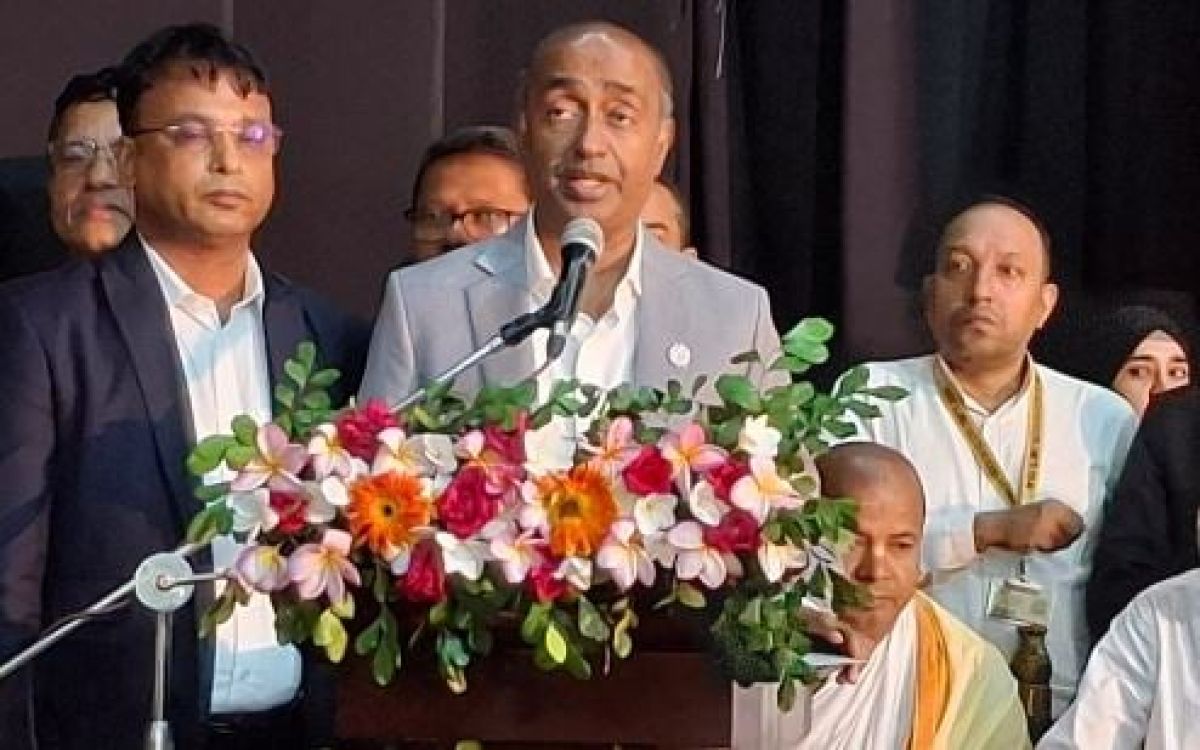
The law minister made the remarks as the chief guest at a discussion and cultural programme organised by the Dhaka Bar Association at its auditorium yesterday marking Janmashtami 2026.
"In 2010, Begum Khaleda Zia, then BNP chairperson, had given the slogan 'Save the country, save the people' at a conference. At that time the naked form of fascism, its brutal frenzy and cruelty had not yet been so openly manifested.
We could not then realise that in this long democratic struggle, we would have to lose more than 4,500 fellow fighters, who were shot dead like birds in the name of crossfire," he said.
The law minister further said that 1,400 people were shot dead on the streets within just 20 days during the July Mass Uprising, while 30,000 people were left disabled during the same period.
"Even after all this, look at how shamelessly and brazenly they behave. Far from expressing the slightest remorse or regret, their attitude seems to be that killing people is not a crime," he said.
Md Asaduzzaman further said that a successful mass uprising was achieved with the participation of the Anti-Discrimination Student Movement and all political parties, representing the oppressed and persecuted people of Bangladesh.
"Bangladesh has returned to the democratic path," he said.
The law minister further said, "That's why we want to make it clear that this Bangladesh belongs to all Bangladeshis. This Bangladesh belongs to Hindus, Muslims, Christians and Buddhists; it belongs to the Chakma, Marma and all other communities. It is a Bangladesh for everyone.
"We want to preserve communal harmony. We do not want to engage in politics centred on communalism, nor do we want to turn it into a means of business. Religion is a matter of my faith, my reverence, and my worldly and spiritual life. We do not want to bring religion into the political arena and cause bloodshed among people in its name."
Chaired by Dhaka Bar Association President Anwar Zahid Bhuiyan, the discussion was attended by Dhaka Senior District and Sessions Judge Rafiqul Islam, Dhaka Metropolitan Sessions Judge Shahjahan Kabir, Dhaka Chief Metropolitan Magistrate Mostafizur Rahman and Acting Dhaka Chief Judicial Magistrate Mahbubur Rahman as special guests.
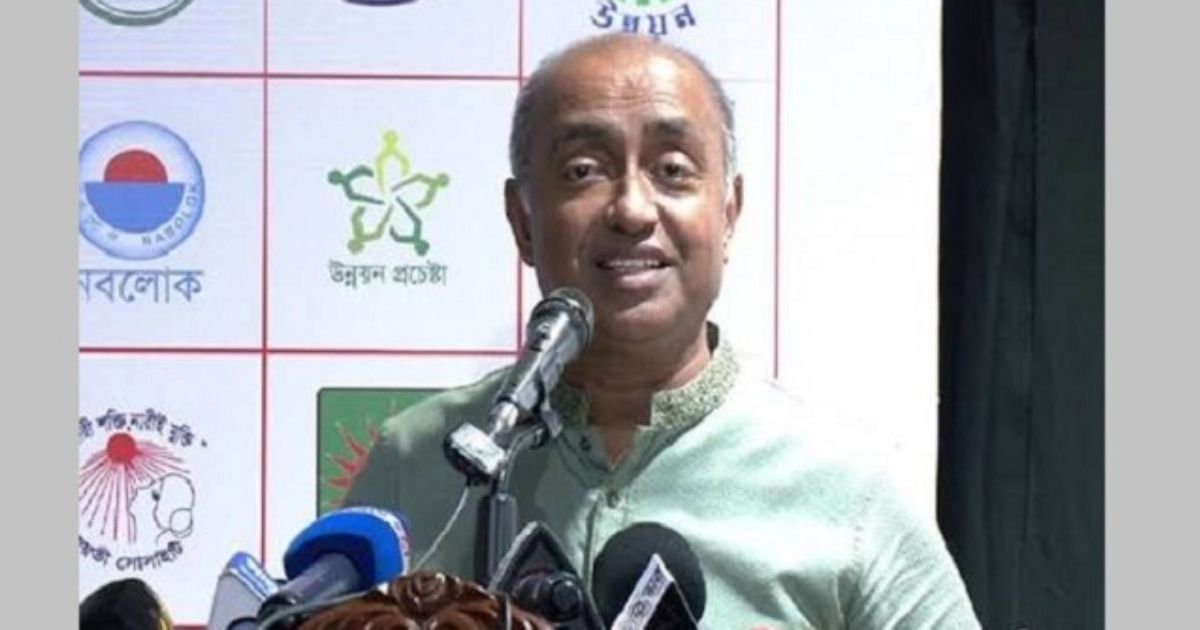
Law, Justice and Parliamentary Affairs Minister Md. Asaduzzaman said that amendments have been made to the Transfer of Property Act of 1882 to protect elderly parents. He said this while speaking as the chief guest at a seminar organized on the occasion of a job fair at the PTI Hallroom in Jessore town today. The Law Minister said that confusion is being spread about the amendment to the Transfer of Property Act. No one in this world has the power to touch the HEBA Act. He rejected the accusation that the recent amendment to the Transfer of Property Act is a violation of the HEBA Act.
The Law Minister said that this amendment has been brought in the Transfer of Property Act, 1882 to protect elderly parents. The Law Minister clarified that this amendment will not create any obstacle in the transfer of property by donation, will or any other means under any other law, including the Heba Act. He alleged that some people are trying to create a controversy without reading this part of the amendment.
37 microfinance institutions participated in the day-long job fair organized by the Microcredit Regulatory Authority under the theme 'Make a career in the microfinance sector, contribute to the development of the country'. 1,115 people were given jobs against 22,000 applications at the fair. The job seekers received their appointment letters from the chief guest.
The event was presided over by Professor Dr. Mohammad Helal Uddin, Executive Vice Chairman of the Microcredit Regulatory Authority.
Jessore District Council Administrator Delwar Hossain Khokon, Deputy Commissioner Mohammad Ashek Hasan, Superintendent of Police Syed Rafiqul Islam, and Marina Akhter, Executive Director of the local Jagrani Chakra Foundation, along with senior officials of the participating organizations, were present at the time.